Ages & Stages

One school.
Four stages.

The mastery model looks different at three years old than it does at fifteen. Here's how Telos works at each stage of a child's education, and how the four groups connect into a single coherent journey.

Curriculum Alignment

How the stages map across frameworks.

The school runs four groups: Early Years, Primary, Middle, and Senior. Each has its own academic rhythm. What doesn't change is the underlying model: students move at their own pace, gaps don't accumulate, and the afternoon is always spent doing something real.

We are evaluating Cambridge International as our leading curriculum candidate. For families familiar with Cambridge, the Portuguese system, or the International Baccalaureate (IB), here's how the Telos groups align against each.

Age Telos Grades Cambridge Portuguese system IB
3–6 Early Years 2 Early Years Pré-escolar PYP
6–11 Primary 5 Primary 1º e 2º Ciclo PYP
11–14 Middle 3 Lower Secondary 3º Ciclo MYP
14–18 Senior 4 Upper Secondary; AS & A Level Secundário DP

Cambridge International is our leading candidate as the primary framework from opening, subject to finalisation through the regulatory and accreditation process. The IB Diploma Programme (DP) is also being evaluated as a Senior pathway and is a post-launch target.

Ages 3–6

Early Years

At this age, the priority is foundation, not acceleration. Language, number sense, physical confidence, and curiosity are what matter at three, four, and five, and what the programme is built around.

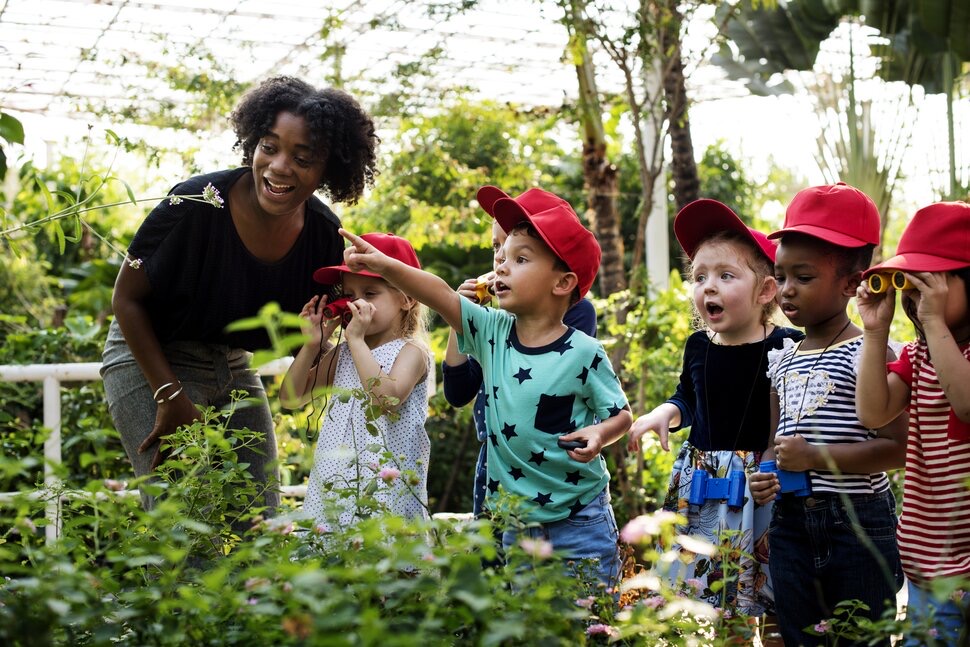
Mornings are teacher-led, with almost no screens: literacy and numeracy through guided activity and play. Afternoons are almost entirely outside. Early Years has its own dedicated space with direct outdoor access, designed for the rhythm young children need.

Cambridge Early Years · Portuguese Pré-escolar · Ages 3–6
Young children playing with sand outdoors
Ages 6–11

Primary

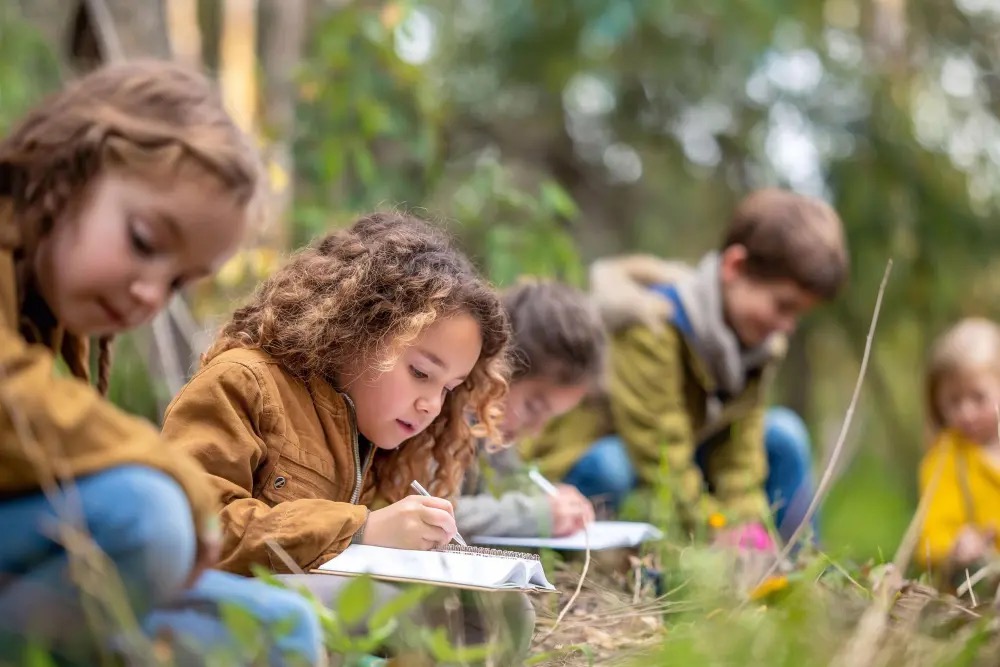
Students work through core subjects at their own pace, with teachers circulating and supporting rather than lecturing. No one is held back by the class average, and no one moves forward before they're ready, so gaps don't accumulate.

Afternoons are project-heavy and physical: hands-on workshops, outdoor activity, and the beginnings of real-world engagement through the Belong programme.

Cambridge Primary · Portuguese 1º e 2º Ciclo · Ages 6–11
Child sitting cross-legged with a laptop surrounded by colourful building blocks
Ages 11–14

Middle

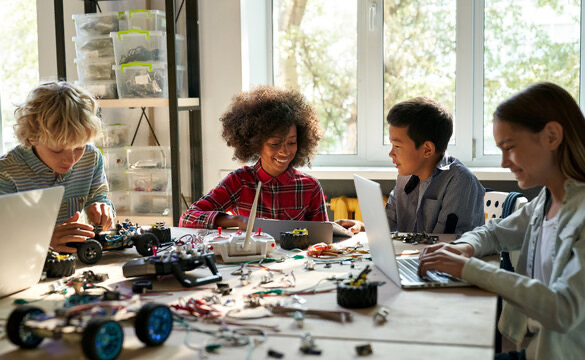
Academic depth increases and students begin to take genuine ownership of their learning. The mastery model sets the pace; students who arrive without accumulated gaps are ready for more demanding material and ready to use it.

Afternoons shift toward extended projects, workshops with local practitioners, and longer expeditions. Community contribution through Belong becomes more substantive, with students taking on roles that carry real responsibility.

Cambridge Lower Secondary · Portuguese 3º Ciclo · Ages 11–14
Group of teenagers sitting together outdoors on a low wall
Ages 14–18

Senior

Students who have progressed through the earlier stages without gaps arrive at examination age with strong foundations, and sit internationally recognised qualifications with pathways to universities in the UK, EU, US, and beyond.

Afternoons include internships, independent research projects, and community leadership roles. University preparation is explicit: recognised qualifications, documented pathways, and real preparation for what comes next.

Cambridge Upper Secondary · IGCSE at 16 · A Level / IB Diploma at 18 · Portuguese Secundário · Ages 14–18
Teenage students studying together on a staircase with a laptop and notebooks
How We Learn

How the model works day to day.