Make

Thinking,
applied.

The afternoon is where ideas are explored and skills get tested. Workshops in the disciplines most schools never prioritise: financial literacy, public speaking, entrepreneurship, coding, and the arts.

The Principle

Real life is the test.

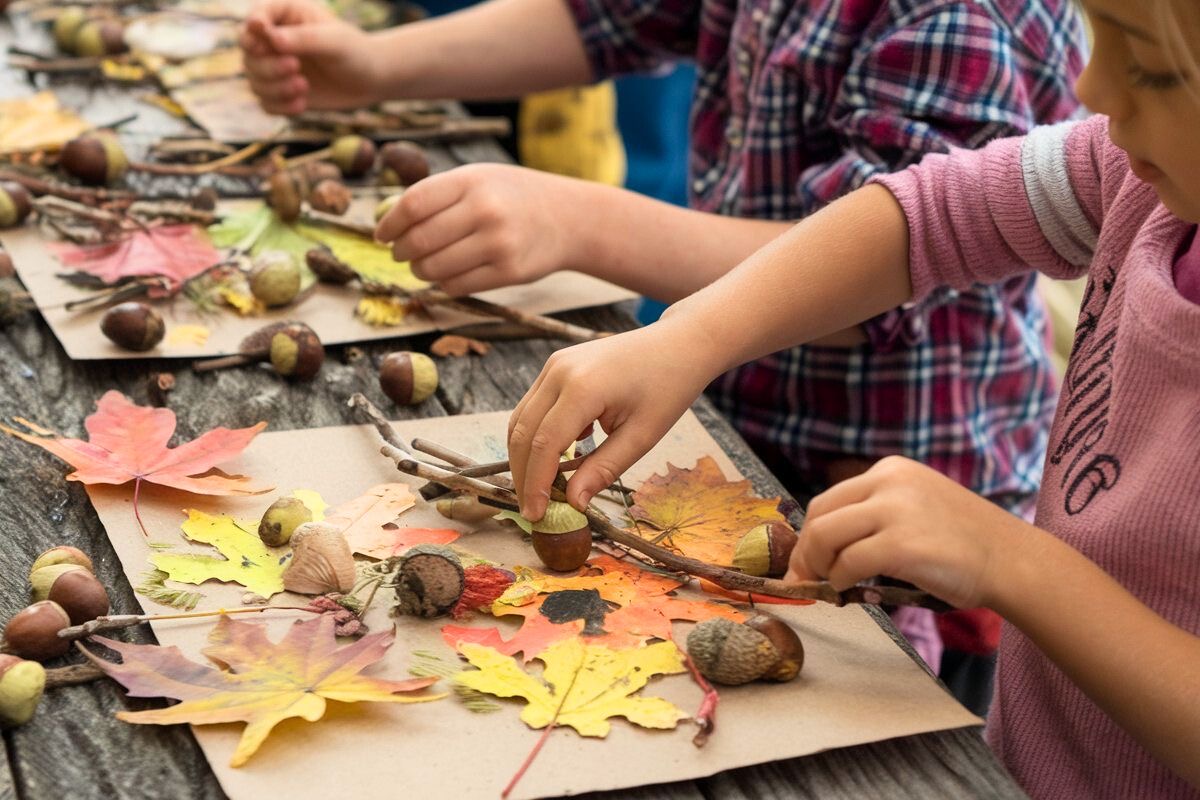
The afternoon is where the morning's work gets applied. Students don't just learn about things. They make things, fix things, and work on problems that don't fit neatly inside a single subject.

Each term includes structured workshops in areas that school timetables usually crowd out. Not as extras. As part of the plan.

The question behind every project is the same: can you take what you know and do something real with it? That's a harder question than most exams ask.
Young girl painting with watercolours at a sunlit table Young woman teaching a girl to play acoustic guitar
Workshop Areas

Six domains. All of them deliberate.

These aren't enrichment activities bolted on to the real curriculum. They are the curriculum. Each domain is structured, assessed, and taken seriously.

Speak and be heard

Presenting ideas clearly, arguing well, listening carefully. Practiced in front of real audiences.

Make it mean something

Music, visual arts, and performance as disciplines, not decoration. The question is always: what are you trying to say?

Build something real

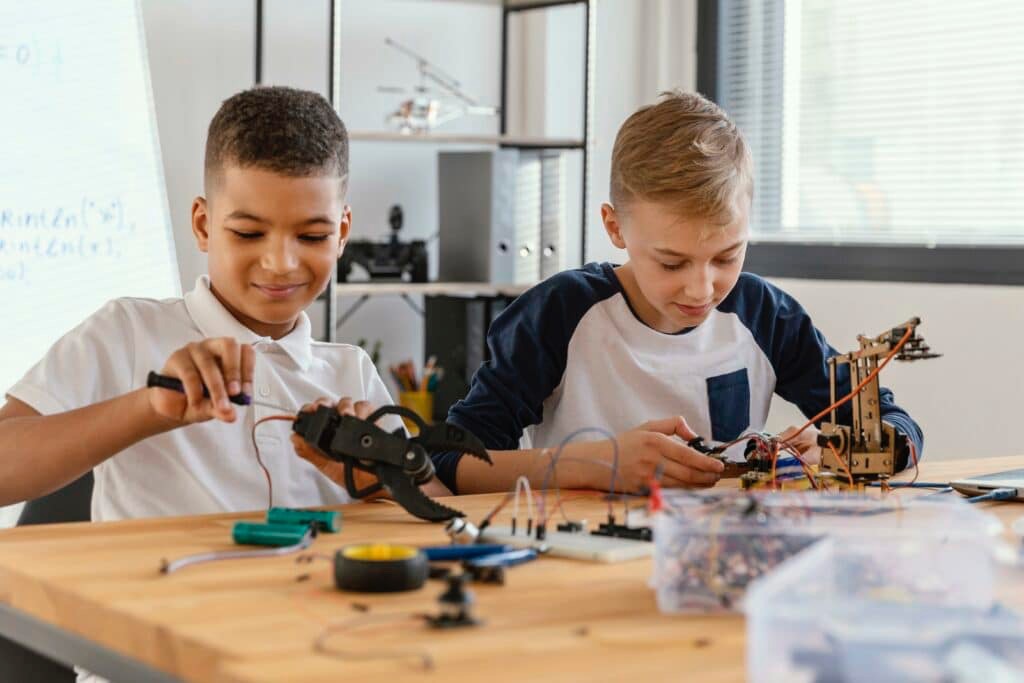
Design, craft, code, cook. Projects that go from idea to finished thing, with the friction that entails.

Manage something that matters

Money, time, a group, a garden. Students learn by being given real things to be responsible for.

Know where you are

Portuguese language and culture woven through the programme. Mafra and Ericeira as places worth understanding.

Finish hard things

Projects that take longer than expected. Challenges with no guaranteed outcome. The practice of not giving up.

The Other Pillars

Check out the other pillars.